How to Take Stunning Photos for Your Food Blog

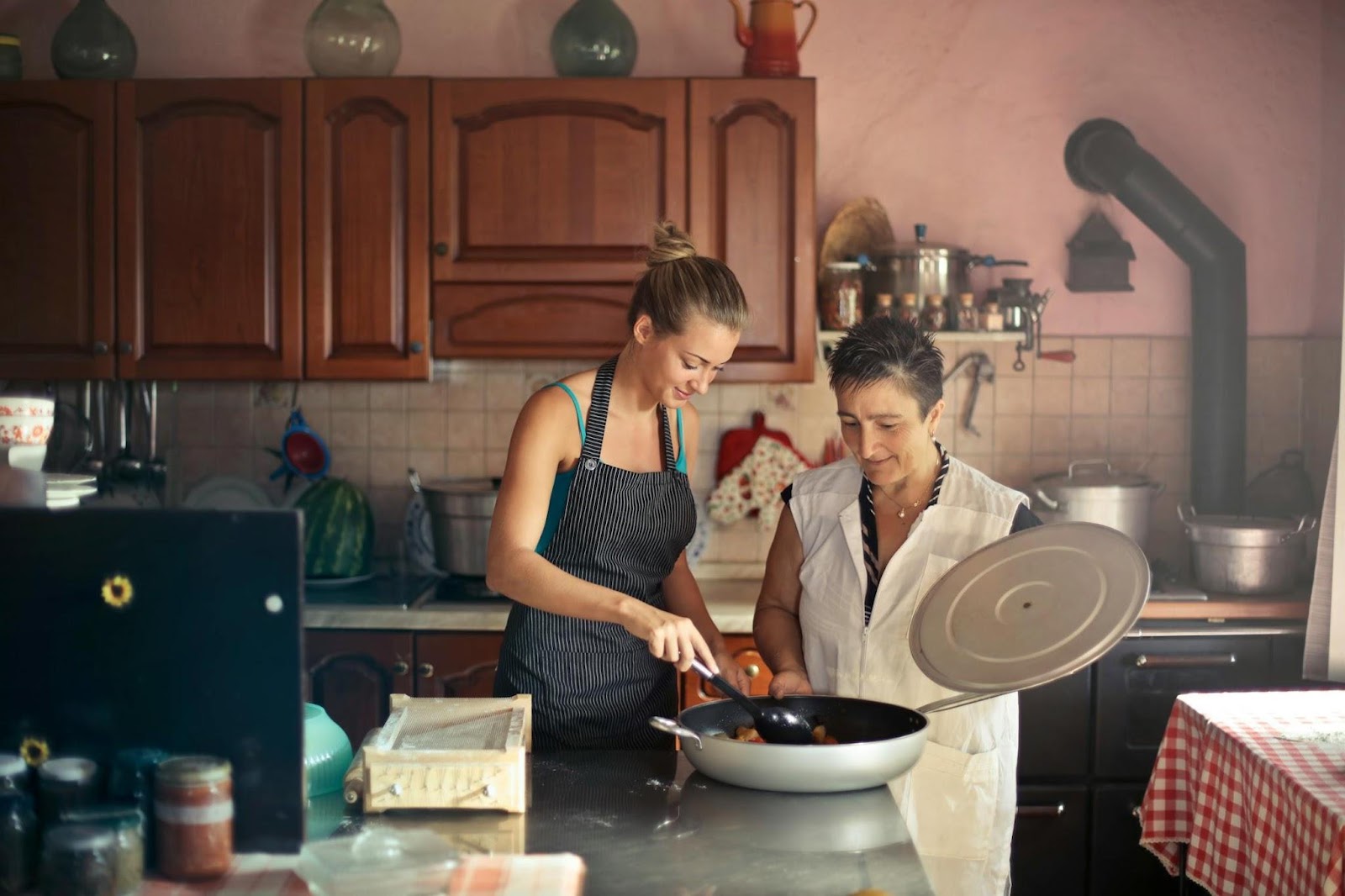
In the vibrant world of food blogging, visual appeal is paramount. Stunning blog photos not only make your content more enticing but also help in drawing readers to your site. Capturing amazing dishes in their most appetizing light requires more than just a good camera—it demands a blend of creativity, technique, and attention to detail. Here are some essential food photography tips to elevate your food blog and make your images pop.
Embrace Natural Lighting
One of the most effective food photography tips is to harness the power of natural light. Natural light provides a soft, diffused glow that enhances the textures and colors of your dishes. Set up your shooting area near a large window, preferably during daylight hours, to achieve the best results. Avoid direct sunlight, as it can create harsh shadows and unflattering highlights. Instead, aim for a consistent, gentle light that will make your dishes look their best.
Master the Art of Composition
Composition is a key element in capturing amazing dishes. The rule of thirds is a classic technique where you divide your frame into nine equal parts using two horizontal and two vertical lines. Place the main subject of your photo along these lines or at their intersections for a balanced and engaging shot. Additionally, consider experimenting with different angles. Overhead shots work well for dishes like salads and pizzas, while a 45-degree angle can be ideal for capturing layers and textures in foods like cakes and burgers.
Use Props and Styling
Props and styling can significantly enhance your stunning blog photos. Incorporate elements that complement your dish, such as cutlery, napkins, or rustic wooden boards. However, it’s essential to keep it simple and avoid cluttering the scene. The goal is to enhance the focus on your dish, not overshadow it. Use props to tell a story about the meal or to highlight specific ingredients, but ensure they align with the overall aesthetic of your blog.
Pay Attention to Colors and Textures
Colors and textures play a crucial role in food photography. Choose backgrounds and props that contrast with your dish to make it stand out. For instance, a dark background can make bright-colored foods pop, while a light background may work better for darker dishes. Pay attention to the textures in your dishes and how they interact with the light. Crisp vegetables, flaky pastries, and creamy sauces all benefit from different lighting and angles, so experiment to find what best showcases their qualities.
Focus on Details
Capturing intricate details is essential for making your food photos truly captivating. Use a macro lens or zoom in to highlight textures, such as the delicate layers of a cake or the glistening surface of a sauce. Close-up shots can reveal the craftsmanship and freshness of your dishes, drawing viewers in and making them feel more connected to the food. Make sure your camera is set to a high resolution to capture these fine details without any blurring or distortion.
Experiment with Depth of Field
Depth of field is a powerful tool in food photo techniques. By adjusting your aperture settings, you can create a shallow depth of field that focuses on your main subject while gently blurring the background. This technique helps to draw attention to the dish and creates a pleasing, professional look. Conversely, a deeper depth of field can be used to keep the entire scene in focus, which can be useful for showing off multiple elements of a dish or a beautifully styled table.
Edit with Care
Post-processing is the final step in achieving that perfect shot. Use photo editing software to adjust brightness, contrast, and color balance, ensuring that your images are true to life and visually appealing. Be careful not to over-edit—your goal is to enhance the natural beauty of the food, not to create an unrealistic representation. Subtle adjustments can make a significant difference, so take the time to refine your images without losing their authenticity.
Practice and Patience
Finally, remember that food photo techniques improve with practice. Don’t be discouraged if your first few attempts don’t turn out as expected. Experiment with different settings, compositions, and lighting to discover what works best for your style. The more you practice, the more you’ll refine your skills and develop your unique photographic eye.
Conclusion
Creating stunning blog photos for your food blog involves a combination of technical skills, creativity, and an understanding of what makes your dishes look irresistible. By mastering natural lighting, composition, and styling, and paying close attention to details and editing, you can elevate your food photography to new heights. With these food photography tips in hand, you’re well on your way to capturing mouth-watering images that will engage and delight your readers.