Discus Fish: Care, Varieties, and Tank Setup
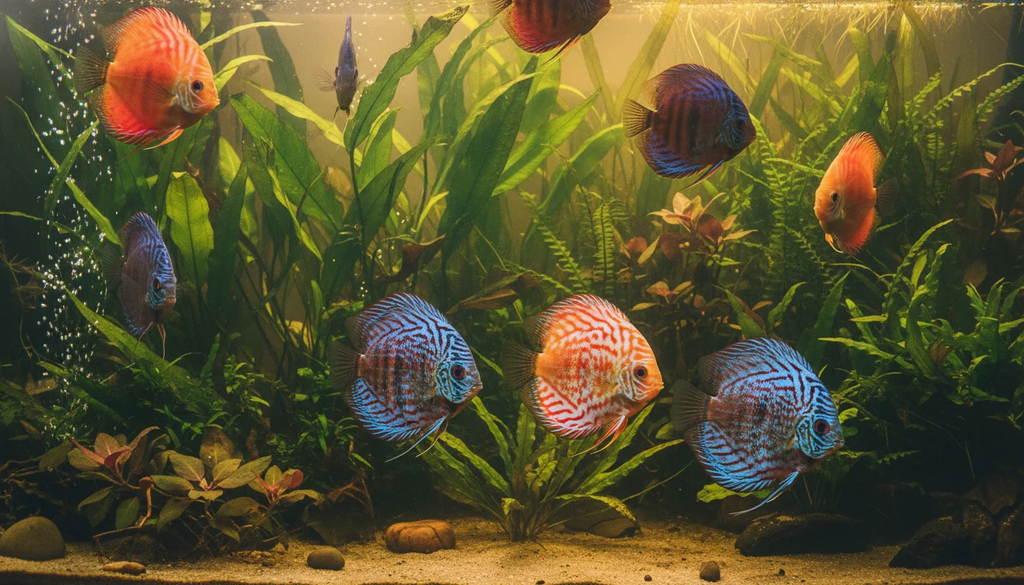
Few freshwater fish have quite the same “look at me” quality as discus fish. With their round, almost perfectly symmetrical bodies, graceful fins, and colors ranging from electric blue to brilliant red and golden yellow, they can turn an ordinary aquarium into something that feels like a living work of art.
That visual appeal is one reason discus fish remain highly valued among aquarium hobbyists and commercial buyers. For importers, wholesalers, chain stores, and large retailers, however, choosing the right discus is about more than picking the prettiest fish in the tank. Healthy stock, consistent quality, suitable varieties, professional handling, and dependable export support all matter.
Whether you are new to discus or looking to expand your ornamental fish selection, this guide explores the main types of discus fish, their care requirements, and what commercial buyers should know when sourcing them.
What Are Discus Fish?
Discus fish belong to the cichlid family and are native to the Amazon River basin in South America. In nature, they are associated with relatively quiet waters, including floodplain lakes and flooded forests. Their distinctive round body shape and colorful appearance have earned them a reputation as one of the standout fish in the freshwater aquarium world.
There are several recognized wild discus forms, while decades of selective breeding have produced a much wider selection of captive-bred color varieties. This is why the term “discus” can describe fish that look dramatically different from one another while still sharing the same unmistakable body shape.
For commercial buyers, this variety is particularly useful. Different markets may have different preferences, so a supplier offering multiple color patterns and grades can make it easier to build a collection suited to local demand.
Popular Types of Discus Fish
When people ask about the different types of discus fish, they are usually talking about color and pattern varieties rather than completely separate species.
Here are several popular varieties worth knowing.
1. Blue Diamond Discus
Blue Diamond discus are known for their striking blue coloration. High-quality specimens can display an almost metallic appearance, especially under appropriate aquarium lighting.
Their relatively clean body pattern gives them a modern, elegant look, which can work particularly well in display-focused retail environments.
2. Turquoise Discus
Turquoise varieties combine blue-green coloration with attractive horizontal or wavy markings. Depending on the strain, the pattern can range from subtle turquoise lines to a much stronger overall blue-green appearance.
They are a classic choice for buyers looking for a discus that delivers plenty of color without relying on a single solid shade.
3. Pigeon Blood Discus
Pigeon Blood discus are among the most recognizable captive-bred varieties. They typically feature bright red, orange, cream, or yellow tones, often accompanied by distinctive patterning.
The name refers to a particular genetic color pattern rather than the fish’s behavior. Varieties such as Yellow Pigeon are also available, demonstrating how selective breeding continues to expand the range of appearances.
4. Leopard Discus
Leopard discus feature spots or intricate markings across the body. The pattern can create a dramatic, almost painted appearance.
For retailers, patterned varieties can be particularly useful for adding visual diversity to a discus display. Customers who enjoy detailed markings may immediately gravitate toward leopard-patterned fish.
5. Snake Skin Discus
Snake Skin discus are known for fine, maze-like or wavy lines that create a complex pattern across the body and face.
The pattern becomes especially attractive when the fish is viewed from the side, making these varieties excellent candidates for planted aquariums and dedicated discus displays.
6. Red Melon Discus
Red Melon discus are generally associated with strong red or orange coloration and a comparatively clean body pattern.
Their bold appearance can make them especially appealing in retail displays because the color tends to stand out even among a collection of highly patterned fish.
7. Golden and Yellow Discus
Golden and yellow varieties offer a warmer alternative to the blues, reds, and turquoise tones commonly associated with discus.
A golden discus can provide a useful contrast in a mixed display, particularly when placed alongside darker or blue-toned varieties.
These are only some of the possibilities. Selective breeding continues to produce new combinations of colors and patterns, and commercial collections can include everything from solid-color fish to highly intricate patterned strains.
Aquazone Indonesia’s current discus collection, for example, includes varieties such as Blue Diamond, Golden, Leopard, Maze Leopard, Red Ninja, Snake Skin, Sun Red, Super Red Melon, and Yellow Pigeon discus.
What Makes Discus Fish Special?
The obvious answer is their appearance, but their appeal goes a little deeper.
Discus have a laterally compressed, almost circular body that gives them their name. Their dorsal and anal fins extend along much of the upper and lower body, emphasizing that distinctive disk-like silhouette.
They are also social fish. In an aquarium setting, discus generally do better when kept in groups rather than being treated as solitary centerpiece fish. Their social behavior is one reason group displays can be so impressive.
Then there is their personality. A group of discus gliding slowly through a planted aquarium has a calm, almost regal quality. They are not exactly the fish equivalent of a puppy running toward you at full speed—but they certainly know how to make an entrance.
Discus Fish Tank Setup
Discus have a reputation for being demanding, and there is some truth behind it. They are not the ideal choice for an aquarium where water quality is allowed to fluctuate wildly.
The good news is that captive-bred discus can be considerably more adaptable than many beginners assume. The key is consistency.
Tank Size
Discus grow into substantial fish, and their social nature means they should not be squeezed into a tiny aquarium.
A larger aquarium provides more swimming room and makes it easier to maintain stable water conditions. When planning a commercial holding system, allow even more room because stocking density, filtration capacity, and the length of time fish will remain in the facility all need to be considered.
For home aquariums, the exact tank size should be based on the number and size of fish rather than relying on a one-size-fits-all figure.
Water Temperature
Warm water is essential.
Aqueon’s discus care guidance recommends approximately 82–86°F (28–30°C), with wild Heckel discus potentially preferring even warmer water.
The important lesson is not simply to set a heater and forget about it. Use a reliable thermometer and monitor the aquarium regularly. Sudden temperature changes can be stressful, particularly during acclimation.
Water Chemistry
Discus generally prefer warm, soft, slightly acidic water. Aqueon lists a pH range of 6.0–7.0 and relatively low carbonate hardness for discus, while also emphasizing the importance of knowing the water chemistry in which the fish were raised.
This last point is especially useful for importers and retailers.
If fish are being moved between different water systems, understanding their existing conditions can make acclimation much easier. Rather than making dramatic changes immediately, buyers should plan a controlled transition toward the parameters used in their facility.
Filtration and Water Quality
Clean water is one of the biggest priorities when keeping discus.
A good filtration system should provide biological filtration and adequate circulation without creating excessive turbulence. Regular maintenance is essential, and water changes should be performed consistently.
For commercial operations, water management becomes even more important because larger numbers of fish mean greater biological load. Reliable filtration, quarantine procedures, monitoring, and disciplined maintenance can all contribute to better outcomes.
Feeding Discus Fish
Discus are omnivorous and can benefit from a varied diet. Quality commercial foods can provide the nutritional foundation, while suitable frozen or live foods may be used as additional variety.
Rather than giving one enormous meal, smaller controlled feedings can help reduce waste and keep the aquarium cleaner.
For young discus, nutrition is particularly important because they are growing rapidly. Commercial buyers handling juvenile fish should therefore pay close attention to feeding schedules, body condition, and growth consistency.
One simple rule is worth remembering: if food is regularly sinking to the bottom untouched, the aquarium is probably receiving more food than the fish need.
Choosing Healthy Discus Fish for Retail
For wholesalers and retailers, appearance should never be the only selection criterion.
When evaluating discus, consider:
- Active and responsive behavior
- Good body condition
- Clear eyes
- Intact fins
- Normal swimming posture
- Strong, even coloration appropriate to the variety
- No obvious signs of disease or injury
- Consistent size within the selected grade
It is also worth asking about the fish’s origin and water conditions. Captive-bred fish that have been raised in controlled systems may be easier to transition into a commercial aquarium environment than fish accustomed to significantly different conditions.
For international buyers, the quality of packing and transport preparation matters just as much as selection.
Working With a Reliable Fish Exporter
International ornamental fish sourcing involves a surprising amount of detail. Selecting fish is only the beginning. Buyers also need to consider documentation, health requirements, packing, shipment coordination, and arrival support.
This is where an experienced fish exporter can simplify the process.
Aquazone Indonesia has been breeding ornamental fish since 1996 and established its export division in 2006. The company currently reports breeding more than 500 varieties of tropical freshwater fish across more than 3,000 tanks and supplying customers in more than 50 countries.
For buyers who want to source discus alongside other species, Aquazone’s wider freshwater fish selection can also provide a more convenient sourcing option.
The company’s export service is designed around several areas that matter to international buyers:
Personalized consultation helps buyers select fish and varieties that fit their particular market, customer base, and order requirements.
All-in-one export management covers the practical side of international orders, including paperwork and shipping coordination.
Professional packing and handling focuses on careful fish preparation, packing, and water-quality control for transport.
Post-delivery support gives buyers a process for reporting verified issues within 24 hours and seeking a replacement.
Long-term partnership is built around consistency, trust, and ongoing cooperation rather than treating each shipment as a one-off transaction.
For large retailers and wholesalers, that kind of support can be particularly valuable. Reliable sourcing is not simply about receiving one excellent shipment; it is about building a supply chain that can support repeat orders and predictable inventory.
Common Discus-Keeping Mistakes
Even experienced aquarium keepers can occasionally make things harder than necessary. A few common mistakes are worth avoiding.
Overcrowding can increase stress and make water quality more difficult to manage.
Inconsistent water parameters can be problematic. Discus generally respond better to stable conditions than frequent dramatic adjustments.
Excessive water flow is another consideration. Their natural habitats include relatively quiet waters, so a tank does not need to resemble a fast-flowing river.
Poor acclimation can also cause unnecessary stress. When receiving new fish, give them time to adjust gradually to the temperature and water chemistry of their new environment.
And finally, buying based only on color can be a mistake. A spectacular pattern is exciting, but healthy behavior, body condition, provenance, and reliable supplier practices should always be part of the decision.
Final Thoughts
Discus fish have earned their reputation as one of the most impressive freshwater aquarium species for good reason. Their distinctive round shape, elegant movement, and huge range of captive-bred colors give aquarists and retailers plenty of possibilities.
From Blue Diamond and Turquoise to Leopard, Snake Skin, Pigeon Blood, Golden, and Red Melon varieties, there is no shortage of visual choices. The challenge—and the opportunity—is selecting varieties that match the needs of your market while maintaining high standards for health and consistency.
For hobbyists, success with discus comes down to warm, stable water, good nutrition, adequate space, and careful maintenance.
For importers, wholesalers, chain stores, and large retailers, successful discus sourcing goes one step further: the supplier needs to deliver not only attractive fish, but also dependable selection, professional packing, export management, and responsive support.
Get those fundamentals right, and the “King of the Aquarium” can live up to its royal reputation—without requiring you to run the aquarium like a palace laboratory.