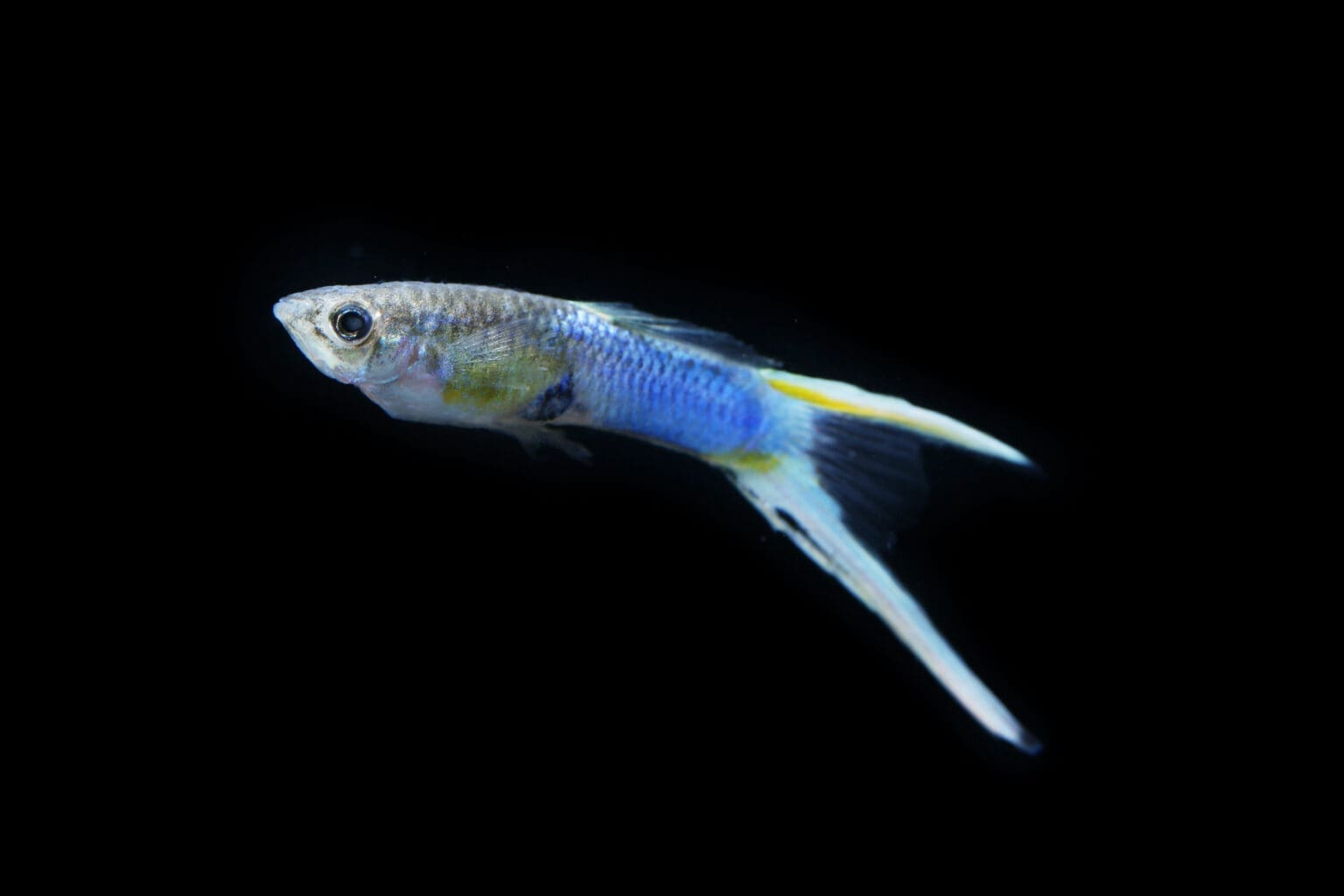
Dalmatian Fish: Everything You Need to Know

Spend a few minutes in any well-stocked aquarium shop, and you’ll probably notice one fish that makes people stop for a second look. It’s not always the biggest or the brightest—sometimes it’s simply the one covered in bold black spots. That’s the Dalmatian fish.
Its distinctive pattern, which resembles the coat of a Dalmatian dog, has made it a favorite among aquarium hobbyists for years. No two fish look exactly alike, and that’s part of the appeal. Some have just a handful of spots, while others are heavily patterned from head to tail. Whether you’re stocking shelves for a retail chain or sourcing fish for wholesale distribution, it’s easy to see why this variety remains in demand.
Of course, offering healthy fish starts with choosing the right supplier. Working with a reliable ornamental fish exporter means you’ll receive livestock that’s been bred, handled, and prepared for international shipping with care. That foundation makes all the difference once the fish reach your customers.
What Is a Dalmatian Fish?
“Dalmatian fish” isn’t the name of a single species. Instead, it’s a nickname given to ornamental fish that share a similar spotted appearance. The best-known example is the Dalmatian Molly, although the same color pattern appears in a few other selectively bred freshwater species.
What makes these fish stand out is the contrast between their pale bodies and dark markings. It’s a simple combination, but one that works remarkably well in almost any aquarium. Against green plants, dark gravel, or even a plain background, the pattern immediately catches the eye.
Another reason people enjoy them is that every individual looks a little different. Unlike fish with perfectly uniform colors, Dalmatian varieties each have their own unique pattern, making every purchase feel a bit more personal.
Why Dalmatian Fish Continue to Sell
Trends come and go in the aquarium hobby, but some fish never really disappear from store displays. Dalmatian fish fall into that category.
They’re colorful without being flashy, distinctive without looking unusual, and they appeal to hobbyists of all experience levels. That’s a combination retailers appreciate because it means the fish aren’t limited to a niche audience.
Many customers who walk into an aquarium store aren’t experts. They simply want something attractive that will make their tank look lively. A spotted fish swimming among green aquatic plants often does exactly that.
For online sellers, they’re also easy to photograph. The bold markings show up well in product images, which helps listings stand out in crowded marketplaces.
Caring for Dalmatian Fish
One reason Dalmatian varieties have remained popular for so long is that they’re generally uncomplicated to care for. While every species has its own requirements, most thrive in clean, stable freshwater aquariums with consistent maintenance.
A good filtration system, regular water changes, and a balanced diet go a long way toward keeping these fish healthy. High-quality pellets or flakes can serve as their staple food, while occasional frozen or live treats add variety and encourage natural behavior.
They also appreciate aquariums with open swimming areas balanced by plants or decorations where they can explore and rest.
Keeping water conditions stable is often more important than chasing perfect numbers. Sudden changes in temperature or water quality tend to cause far more stress than slightly imperfect conditions that remain consistent.
A Smart Choice for Retailers
If you’ve ever watched shoppers browse an aquarium store, you’ve probably noticed something interesting. Bright colors may attract attention first, but unusual patterns often keep people looking.
That’s one of the reasons Dalmatian fish perform well in retail environments.
They fit comfortably into community aquarium displays, mix well with many other freshwater species, and offer enough visual interest that customers frequently ask about them. Because they’re familiar to experienced hobbyists yet appealing to beginners, they tend to have broad market appeal.
For wholesalers and importers, that steady demand makes inventory planning much easier.
Finding the Right Export Partner
Importing ornamental fish involves far more than selecting species from a catalog.
Healthy fish need careful breeding, proper conditioning before shipment, professional packing, accurate export documentation, and reliable logistics. Even small mistakes during transportation can affect the condition of the fish when they arrive.
That’s why many international buyers choose suppliers that manage the entire process rather than simply selling fish.
Businesses looking for freshwater fish for sale often value consistent service just as much as product quality.
Why Buyers Choose Aquazone Indonesia
Personalized Consultation
Aquazone Indonesia has been supplying ornamental fish to international markets for years, breeding more than 500 freshwater varieties for customers around the world.
Before a shipment is even prepared, Aquazone offers personalized consultation to help buyers choose fish that match their local market and customer preferences. That guidance is especially valuable for businesses expanding their product range or entering new markets.
Complete Export Management
Once an order is confirmed, the team handles the export process from start to finish. Documentation, shipping coordination, and logistics are all managed in-house, making international purchasing much more straightforward.
Professional Packing & Handling
Packing is another area where experience matters. Every shipment is prepared using professional packing methods and strict water-quality control to help fish travel safely and arrive in excellent condition.
Post-Delivery Support
If something unexpected happens after delivery, buyers aren’t left on their own. Aquazone provides post-delivery support, asking customers to report any issues within 24 hours so the team can review the situation and arrange a replacement when appropriate.
Long-Term Partnership Commitment
Perhaps most importantly, Aquazone views every shipment as the beginning of a long-term business relationship rather than a one-time transaction. Consistency, communication, and trust remain central to how the company works with importers and distributors worldwide.
Display Tips That Make a Difference
Presentation plays a bigger role in sales than many people realize.
A healthy Dalmatian fish displayed in a clean aquarium with proper lighting will almost always attract more attention than the same fish kept in a crowded or poorly maintained tank.
To maximize visual appeal:
- Use dark aquarium backgrounds to emphasize the black spots.
- Add healthy green aquatic plants for natural contrast.
- Maintain crystal-clear water at all times.
- Use balanced lighting to highlight each fish’s unique markings.
- Avoid overcrowding display tanks so every fish can be seen clearly.
Small improvements like these often encourage shoppers to spend a little longer looking—and that extra attention can easily turn into a sale.
Final Thoughts
There’s a reason Dalmatian fish continue to appear in aquarium stores around the world. Their spotted appearance is instantly recognizable, each fish has its own unique character, and they’re suitable for a wide range of freshwater aquariums. For retailers and wholesalers, they offer dependable demand from both first-time hobbyists and experienced fish keepers.
Of course, great fish deserve an equally reliable supplier. By combining healthy breeding practices with personalized consultation, complete export management, careful packing, responsive after-sales support, and a genuine commitment to long-term partnerships, Aquazone Indonesia helps businesses source ornamental fish with confidence.
Whether you’re expanding an existing inventory or looking for a trusted export partner, Dalmatian fish remain a timeless addition to any freshwater collection—and with the right supplier behind them, they’re an investment that can continue delivering value long after the shipment arrives.